The math is on your side
To burn 500 calories you can run for about 45–50 minutes — or you can not eat two croissants, which takes zero minutes. That asymmetry is the whole story: it's far easier to not eat 500 kcal than to burn 500 kcal. Exercise is genuinely great for health, mood, muscle and keeping weight off later. But the deficit that removes fat is built in the kitchen, and a kitchen-only deficit works fine.
The five levers, in order of payoff
1. Delete the drinkable calories
Sodas, juices, lattes, alcohol. For many people this is 300+ kcal a day that produces no fullness whatsoever. Swap to water, sparkling water, black coffee or zero-sugar versions and you've built half a deficit before touching food.
2. Protein at every meal
Without workouts, protecting muscle matters even more. Anchor each meal on a high-protein, low-calorie food — it also keeps you full, which is what makes the rest of the plan survivable.
3. Volume over density
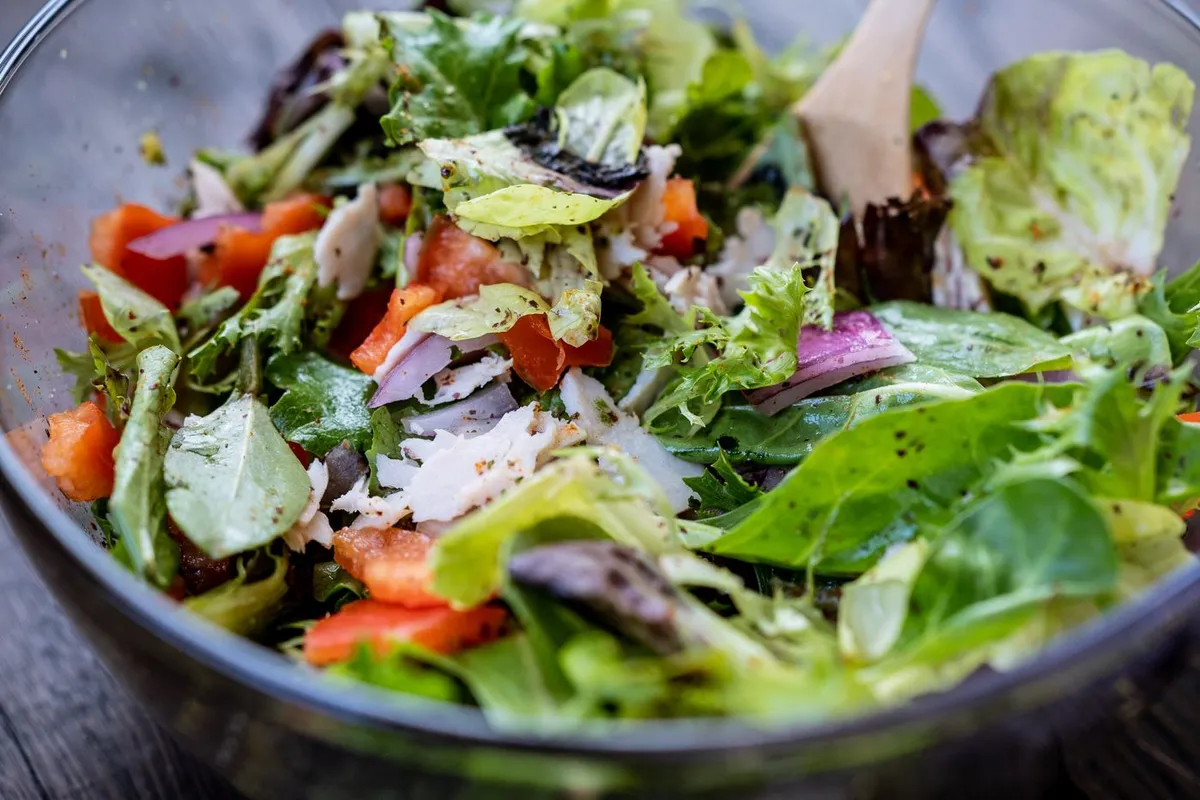
Half the plate vegetables or salad, then potatoes, rice or bread, then the rich stuff. You'll eat the same weight of food you always did — that's what your stomach measures — for several hundred fewer calories.
4. Portion honesty
The eyeball lies, and it lies more over time. Track honestly for a few weeks — a photo-based tracker makes it a five-second habit instead of a spreadsheet job — and let the numbers replace the guesswork.
5. Walk anyway (it's not exercise, it's transport)
If the gym is the problem, walking isn't the gym. An extra 20–30 minutes of walking a day quietly burns 100–150 kcal and takes the pressure off the food side. The walking math is here — no lycra involved.
Set the target right: without training, your maintenance calories run lower, so compute your target from "sedentary" or "lightly active" — not from the flattering option. Here's how to find your number.
What to expect, honestly
Diet-only loss runs about 0.4–0.5 kg a week on a sensible deficit — the same physics as everyone else, minus the workout bonus. The scale will still zigzag with water (that's normal); the trend line over four weeks is your real report card. And because no workouts means no "I earned this" refeeds, your weekends are actually easier to hold steady than most gym-goers'.
The Calfit version of diet-only
Calfit is built for exactly this game: photograph meals in five seconds, watch the calories-left number, keep the streak with Pip, and let the adaptive target lower itself as you shrink. No workout tab guilt — the app counts your steps quietly via your phone's health data, and celebrates the kitchen wins, which are the ones that matter.